iOS 20 and macOS 27: what's actually new this cycle
After last year's Liquid Glass redesign — where is Apple's design language heading next. And why the AI features are finally catching up to competitors.
Apple's last cycle was devoted to a major visual redesign. This cycle is about what's under the hood: deeper AI integration into system apps, and finally closing the gap with Android on Siri's functionality.
Siri that finally understands context
For years, Siri lagged behind Google Assistant and Alexa at understanding complex, multi-step requests. A new architecture built on large language models promises to close that gap — a Siri that understands "forward the file Marina sent yesterday to Ivan" without follow-up questions.
Continuity goes even deeper
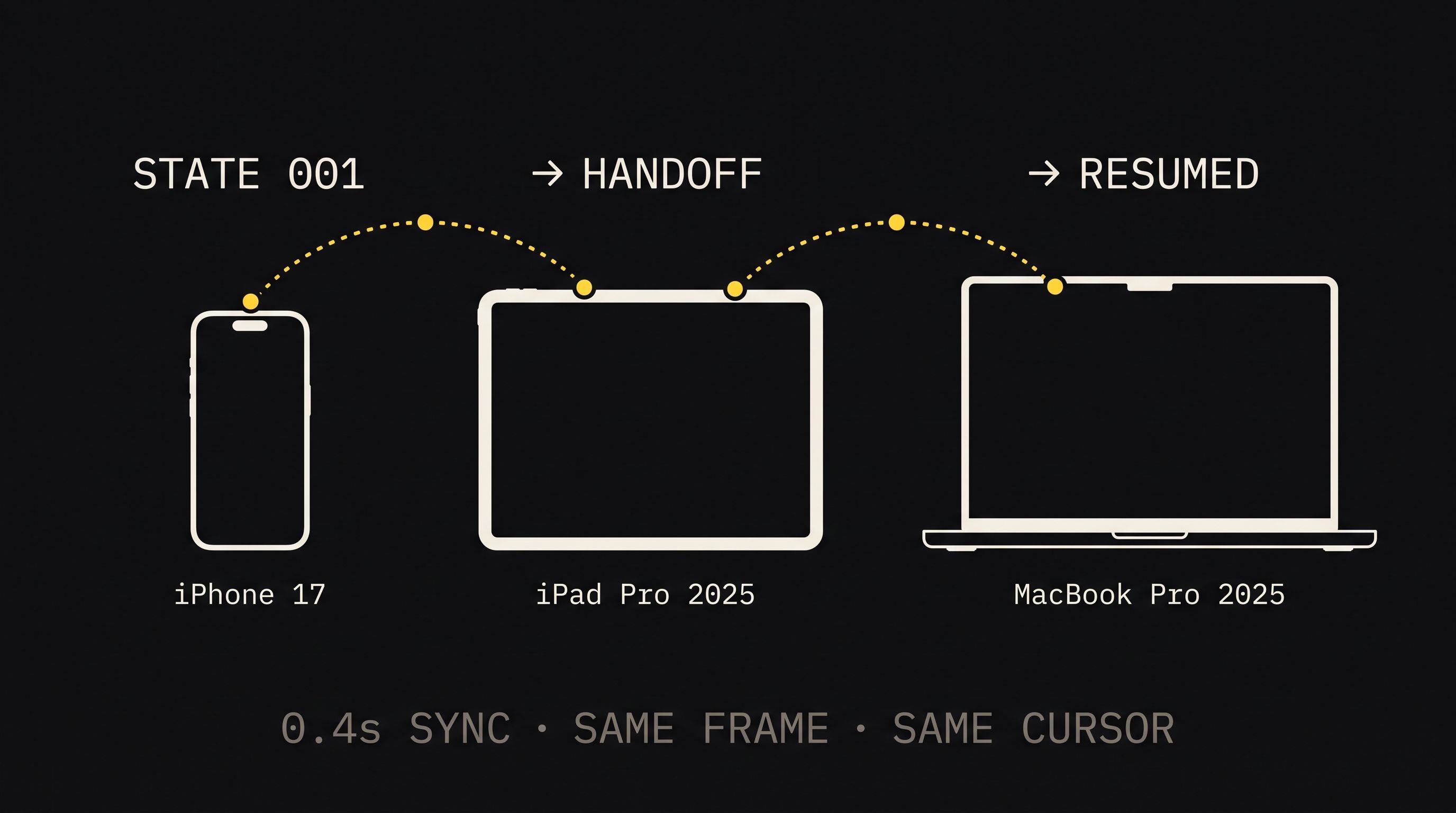
Task-handoff features between iPhone, iPad, and Mac expand into new scenarios — start editing a video on your phone, continue on your Mac with the exact same timeline state, no export-import needed.
macOS 27 — focused on performance, not features
Unlike iOS, macOS this cycle gets fewer new features and more optimizations — faster app launches, lower battery consumption on MacBooks, improved multi-display support.
Apple learned the key lesson of recent years: not every release needs to dazzle with features. Sometimes the best release is the one that simply works faster and more reliably.
What developers should check right now
Public betas usually land 2-3 months before release — that's your window to verify app compatibility, especially if you rely on system-integration APIs.